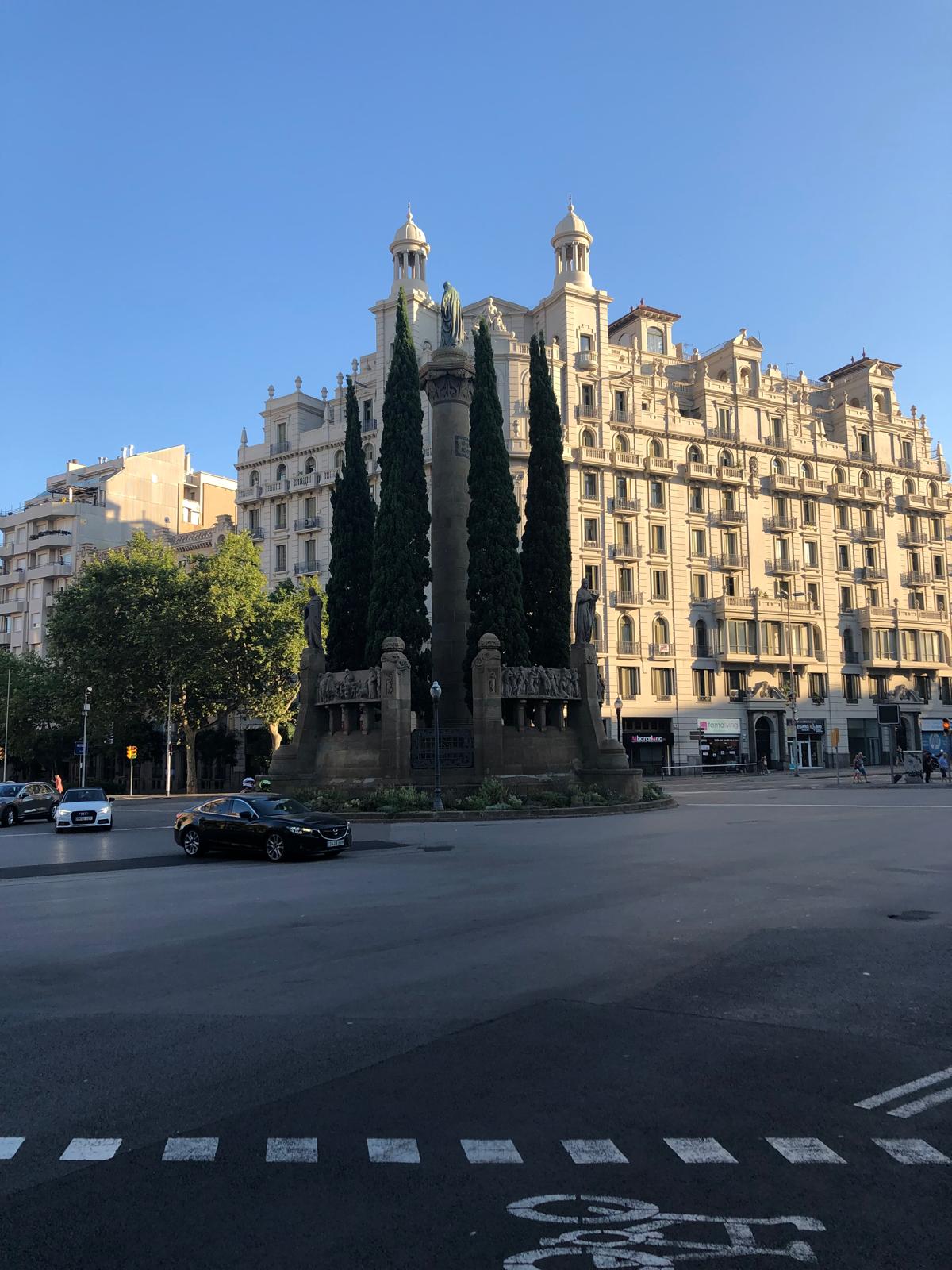
Barcelona is one of those places we’ve both been to several times, and for good reason. Some cities are “once and done” – but Barcelona always draws you back, whether it’s for a weekend or a longer stretch. Every trip feels a bit different, even when you’re revisiting the same sights. The city has a way of feeling instantly recognisable. We arrived just off Las Ramblas in spring, bags dropped, windows open to street noise below, and it already felt like the city was mid-conversation without us. Within minutes we were outside again, pulled along by the movement of people, the sounds, the sense that something was always happening just around the corner.
We had three days and no real desire to rush them. Barcelona doesn’t reward speed anyway. It rewards wandering, lingering, sitting down for one more drink than planned and taking streets simply because they look interesting.
Skip to…
Gaudí’s Barcelona and the moments that make you stop
No matter how many photos you’ve seen, the Sagrada Família still has the ability to stop you mid-step. We caught our first glimpse almost by accident, its spires rising above the surrounding streets, and it instantly reset our sense of scale. Inside, the light did most of the talking. It felt calm in a way we weren’t expecting, despite the number of people there.
Park Güell came later, playful and colourful, with views stretching all the way to the Mediterranean. We spent as much time outside the main paid area as we did inside, finding quieter viewpoints where the city spread out below us. It felt less like ticking off a sight and more like pausing to understand where we were.
Walking along Passeig de Gràcia, Casa Batlló and La Pedrera reminded us that in Barcelona even residential buildings can feel theatrical. There’s a confidence to the architecture that feels very much part of the city’s character.
The Gothic Quarter and slipping between centuries
The Gothic Quarter was where Barcelona felt most layered. Narrow streets twisted into hidden squares, and just when it felt like you were deep in the past, the city opened out into somewhere lively and modern. One minute we were in a quiet medieval alley, the next standing in Plaça Reial, palm trees overhead and the buzz of nightlife already starting to build.
We spent hours here doing very little other than walking, sitting and watching. Barcelona Cathedral appeared suddenly between buildings, and we lingered longer than planned, enjoying the contrast between the calm of the square and the energy of the streets beyond it.
Las Ramblas were busy, sometimes overwhelmingly so, but walking them once still felt like a rite of passage. Street performers, flower stalls, endless people-watching. We were glad our accommodation was just off the main drag, close enough for convenience but far enough to step away when we wanted quieter streets.
Eating our way through the city
Food became the loose structure of our days. We leaned towards tapas rather than big sit-down meals, dipping into small bars tucked away on side streets. Plates arrived quickly. Jamón, croquetas, patatas bravas. Vermouth and cava appeared without much discussion.
La Boqueria was chaotic and colourful, exactly as promised. We treated it as a place to wander and snack rather than linger, perching briefly at a counter before escaping back into the streets. Later, down by Barceloneta, even a simple meal tasted better with the sea breeze drifting in and the sound of waves not far away.
Nothing felt overly formal. Eating in Barcelona seemed to be more about rhythm than rules.
Football, culture and the city’s different scales
Barcelona balances its worlds surprisingly well. One morning we wandered through the Picasso Museum, as much taken by the linked medieval townhouses as the art itself. By afternoon we were walking along the beach, shoes in hand, the city feeling suddenly slower and more open.
Football looms large here too. The Nou Camp felt less like a stadium and more like a pilgrimage site. Even without match tickets, just being there gave a sense of how deeply woven the club is into the city’s identity. It was one of those experiences that felt culturally important, even if you’re not a die-hard fan.
Montjuïc offered yet another shift in perspective. From above, Barcelona felt vast. Rooftops, port, sea all laid out below us. It was the perfect place to breathe after the busier streets below.
Evenings in El Born and the city at night
Evenings naturally drew us towards El Born. The atmosphere felt social without being frantic, with bars filling up slowly as the night went on. Some nights we moved between places, others we stayed put, content with a glass of wine and the background hum of conversation.
Nightlife in Barcelona feels woven into everyday life. You don’t have to seek it out. Even sitting in a square, listening to street musicians and watching people drift past, felt like being part of something.
Why Barcelona lingers
Barcelona is undeniably touristy, and at times that shows. But underneath it all, it feels like a working city with its own pace and personality. It’s a place where culture, coastline, neighbourhood life and nightlife all coexist without cancelling each other out.
After three days, we left knowing there was plenty we hadn’t seen. New streets we hadn’t walked, corners of Montjuïc unexplored, bars we never stepped into. Barcelona didn’t feel finished with us, and that might be its greatest strength.
Hidden gems we loved
- Wandering beyond the main routes in the Gothic Quarter and El Born
- Quiet viewpoints around Park Güell away from the busiest paths
- Vermouth in small neighbourhood bars where no one seemed in a hurry
- Evening walks along Barceloneta when the city softened
FAQs about visiting Barcelona
Is Barcelona worth visiting for a short trip?
Yes. Three days felt like a solid introduction, enough to see the highlights and get a real sense of the city.
Is spring a good time to go?
Spring was ideal for us. Warm enough for long walks, cooler evenings and manageable crowds.
Where’s a good area to stay?
Staying just off Las Ramblas worked well. Central and convenient, but quieter once you stepped away from the main street.
Is Barcelona only about Gaudí?
Gaudí is a huge part of the city, but neighbourhoods, food, culture and the coastline add just as much to the experience.
Does Barcelona feel overcrowded?
Some areas do, especially at peak times, but it’s easy to find quieter streets with a little wandering.