Skip to…
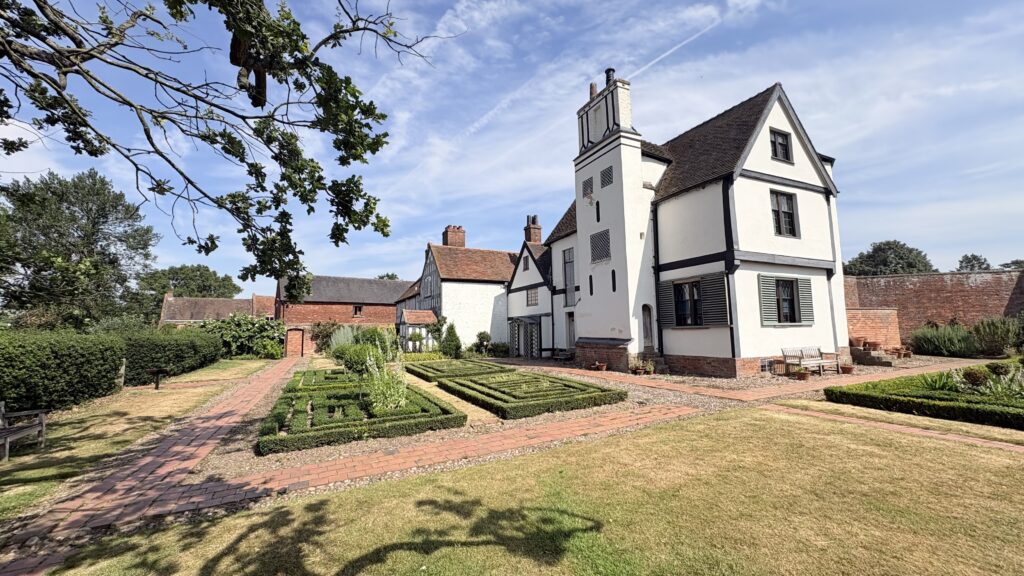
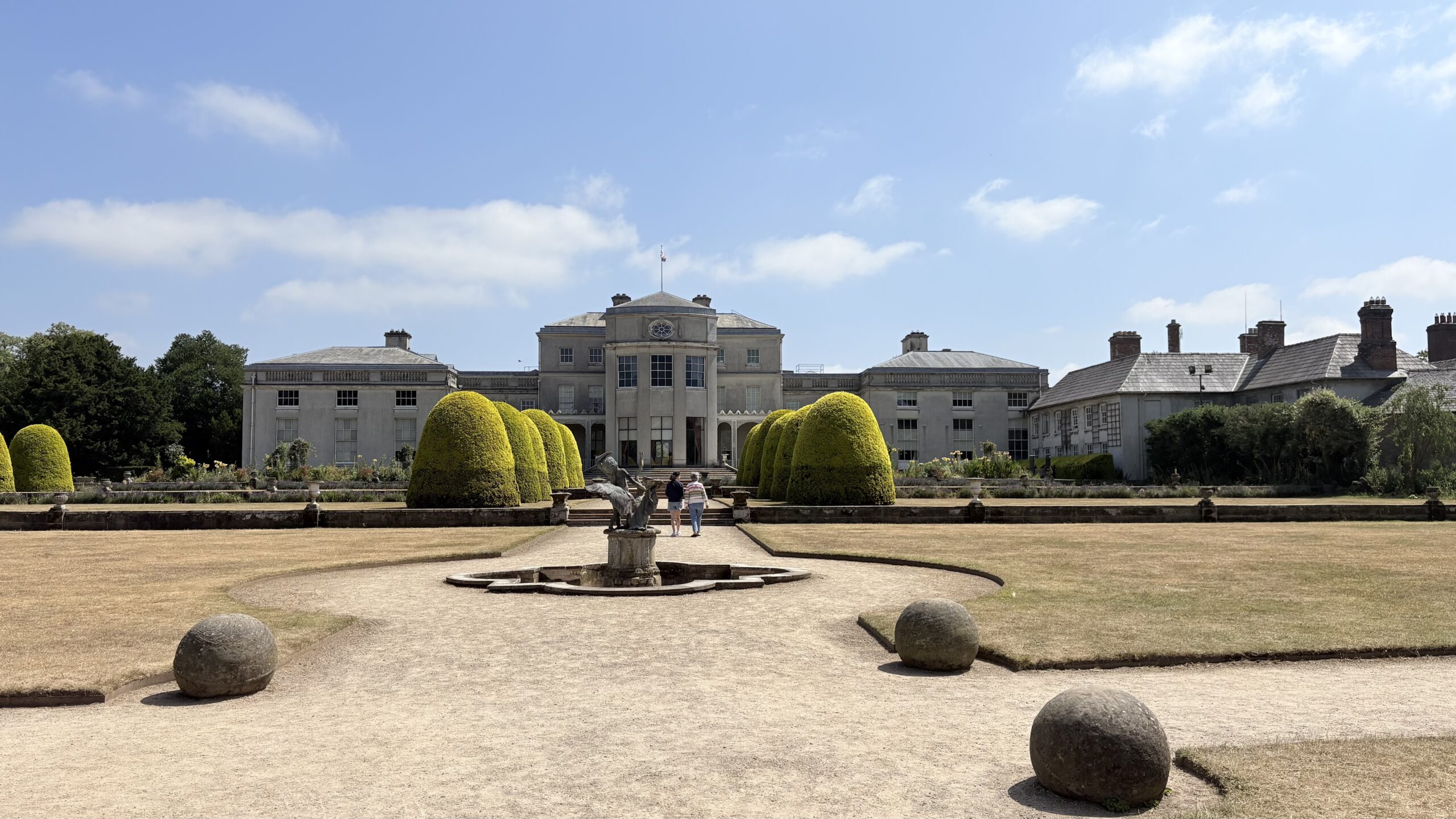
Some historic places impress through their scale. Others through the stories they hold. Boscobel House, tucked away in the Shropshire countryside, falls firmly into the second category.
This is the place where the future Charles II hid following his defeat at the Battle of Worcester in 1651. With Parliamentarian soldiers searching the surrounding area, he spent part of a day concealed high in the branches of an oak tree before taking refuge inside Boscobel House itself. The escape became one of the defining stories of the English Civil War and helped shape the restoration of the monarchy nine years later.
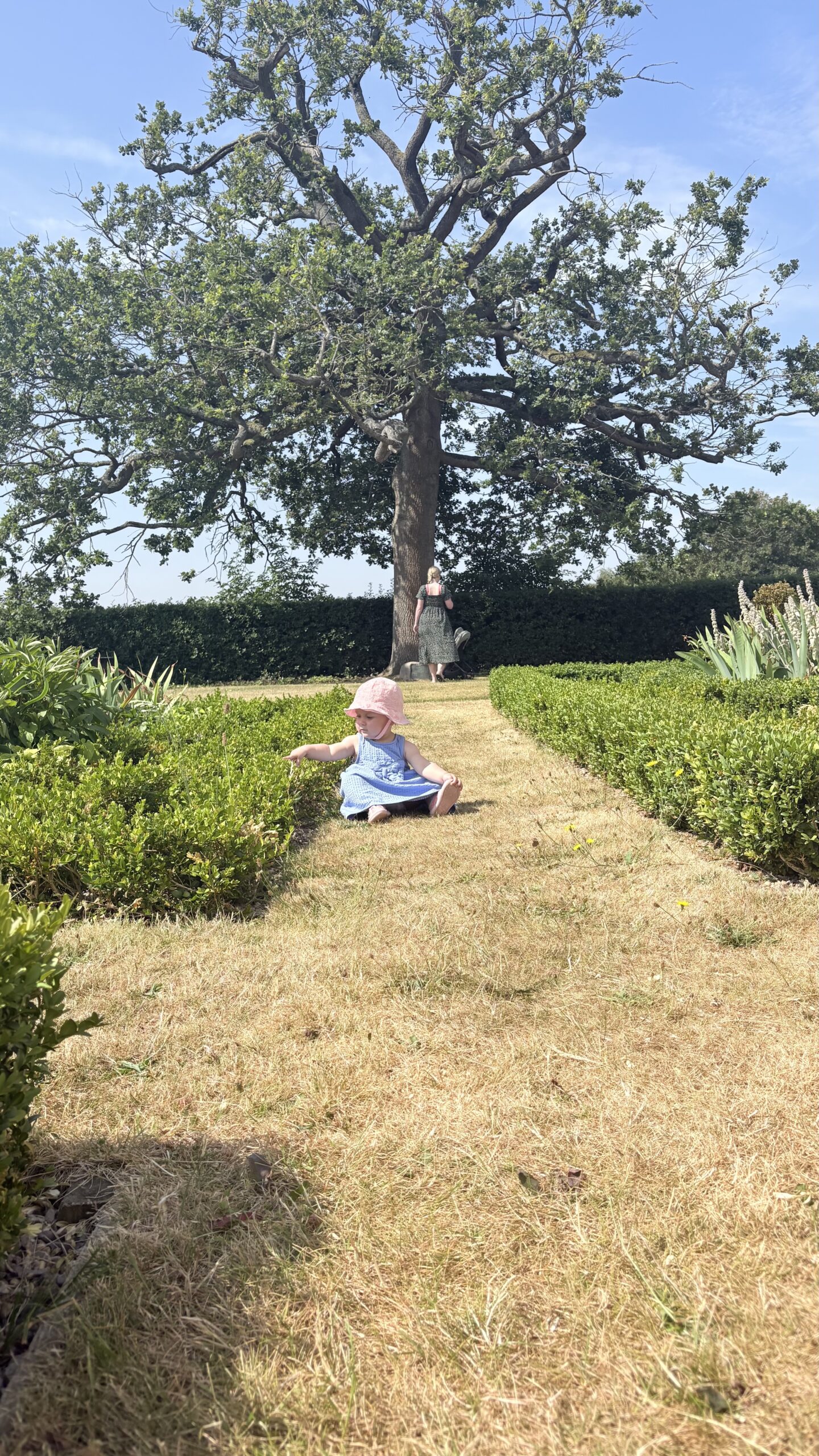
Although the original Royal Oak no longer survives, a descendant stands nearby and visitors can still walk through the landscape where these remarkable events unfolded. It is a place where history feels tangible rather than distant.
Exploring Boscobel House
The house itself is relatively modest, particularly when compared with the grand stately homes that often dominate the heritage landscape. That is part of its appeal. Rather than being overwhelmed by opulent rooms, you are invited to imagine the uncertainty and tension of those few days in 1651.
Inside, visitors can explore the rooms where Charles II sheltered, learn about the Catholic Penderel family who risked everything to protect him, and see the priest holes that were designed to hide Catholic priests during times of persecution. Throughout the house there are displays that explain not just what happened, but why these events mattered.
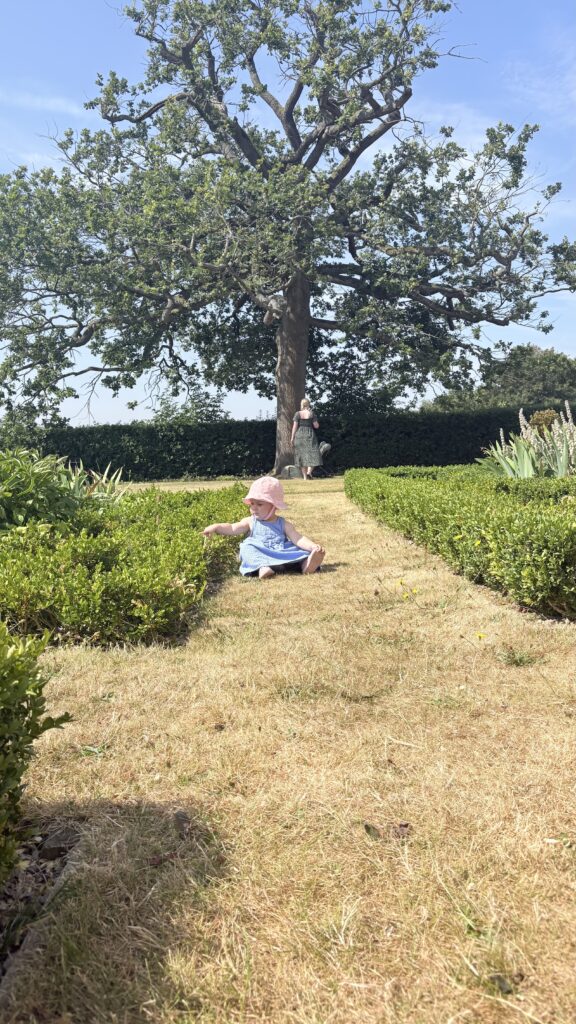
Outside, the grounds are beautifully maintained without being overwhelming. They are large enough to enjoy a leisurely wander but compact enough to explore comfortably in a couple of hours. Mature trees, open lawns and well-kept gardens make it an enjoyable place simply to spend time, particularly on a sunny day.
One feature we particularly enjoyed was the tree tunnel, a lovely shaded walkway that was especially welcome as temperatures were well into the twenties when we visited. It is one of those simple features that children seem to love just as much as adults.
Visiting with young children
We visited with our daughter Elanor, who was 14 months old, and found Boscobel to be an easy and enjoyable place for a young family.
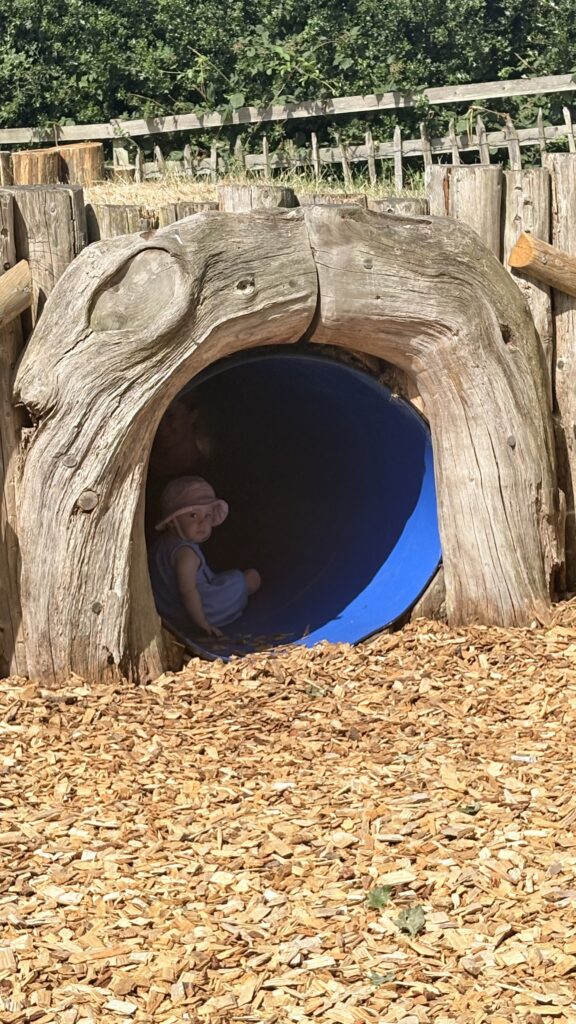
There is a small play area which gave her the chance to explore and burn off some energy after walking around the house. The café is also well placed for a break, serving drinks, light lunches and cakes, with indoor and outdoor seating available.
The grounds are manageable with a toddler, and there were plenty of opportunities to stop, explore and watch the wildlife. We spotted a variety of animals around the estate, adding another layer of interest beyond the history itself.
While the site is generally accessible, it is worth noting that not every nearby attraction is easy to reach with a pushchair.
Extending your visit
Around a mile from Boscobel House lies White Ladies Priory, another site closely connected with Charles II’s escape. It was here that he first sought refuge after the battle before moving on to Boscobel.
It is possible to walk between the two sites, making for an enjoyable extension to the day if you are travelling without young children or anyone with mobility needs.
However, we discovered that one of the stiles on the route made it impossible to continue with a pram, so we had to abandon the walk. If you are visiting with a pushchair, it is worth driving between the two sites instead.
Our thoughts
Boscobel House is not somewhere you visit because it is one of England’s largest or grandest historic houses. You visit because few places tell such an extraordinary story in such an authentic setting.
For families, it strikes a nice balance between history and outdoor space. The gardens are attractive without feeling daunting, the play area gives younger visitors something of their own, and the café makes it easy to spend a relaxed few hours on site.
If you have an interest in the English Civil War, royal history or simply discovering lesser-known heritage attractions, Boscobel House is well worth the detour. Pair it with White Ladies Priory, if you can, and you have the ingredients for an engaging day exploring one of the most remarkable escape stories in British history.